You can keep crews moving and protect your fleet if you treat pump selection as a solids problem, not a water problem. The fastest way to burn budget is to guess wrong and then “make it work” with higher RPM, longer run time, and more rebuilds. When people argue about trash pump vs slurry pump, they are usually talking past each other: one pump family is built to avoid clogs from big debris, and the other is built to survive abrasive wear from small, hard particles.
A simple field rule helps: size causes clogs, hardness causes wear. Once you separate those two failure paths, your selections get cleaner, your downtime drops, and your wear-parts spend becomes predictable.
If you’re responsible for uptime, treat this as a two-question gate:
- Will the solids plug the pump?
- If they pass, will they grind the pump?
Trash pumps are optimized for the first problem. Slurry pumps are optimized for the second. Some jobs include both, but most sites have one dominant risk.
The Core Confusion: “Dirty Water” vs. “Abrasive Water”
“Dirty water” is a vague label that hides the details that matter. A sump can look filthy and still be relatively non-abrasive. Another can look like cloudy groundwater and quietly destroy a pump because it is loaded with quartz fines.
You make better calls when you define what’s in the water by solids size distribution, solids concentration, and particle hardness/angularity. A few shredded rags and leaves behave nothing like sand. Bentonite behaves nothing like wood chips. Drill cuttings behave nothing like sewage solids.
After you’ve done a quick jar test or taken a sample in your hand, think in these practical categories:
- Large, soft solids: rags, wipes, leaves, wood chips, trash, light organic sludge.
- Small, hard solids: sand, silt, tailings, angular rock fines, drill cuttings, bentonite-laden mixes.
That split is the real decision line, because it predicts the dominant damage mechanism.
Trash Pumps: Designed for Clog-Resistance (Large Solids)
A trash pump earns its keep by staying online when the suction is seeing debris that would choke a tight-clearance dewatering pump. You typically see self-priming centrifugal units on skids or trailers, built with generous internal passages and access covers that let you clear the wet end quickly.
The headline spec you care about is spherical solids handling. Many common construction trash pumps are marketed around passing roughly a 3-inch spherical solid, meaning a hard ball of that diameter can pass through the impeller/volute without hanging up. That does not mean the pump enjoys pumping rocks. It means it is tolerant of bulky debris and intermittent solids.
Trash pump internals are generally “tough, not hard.” Ductile iron and cast iron survive impacts and jobsite handling, and they are forgiving when operators run off the ideal duty point. But that toughness comes with lower hardness, which matters when sand shows up.
You’ll usually reach for a trash pump when you need high flow quickly and you expect nuisance solids that cause clogs, including sewer bypass work, canal cleaning, and flood response.
After you’ve validated the duty point (flow, head, hose length), a quick operational reality check helps:
- Prime and suction discipline: self-priming helps, but long suction runs, air leaks, and shallow submergence still punish you.
- Access and clearing: plan for occasional clean-outs and keep gaskets and wear plates available.
Slurry Pumps: Designed for Wear-Resistance (Abrasive Fines)
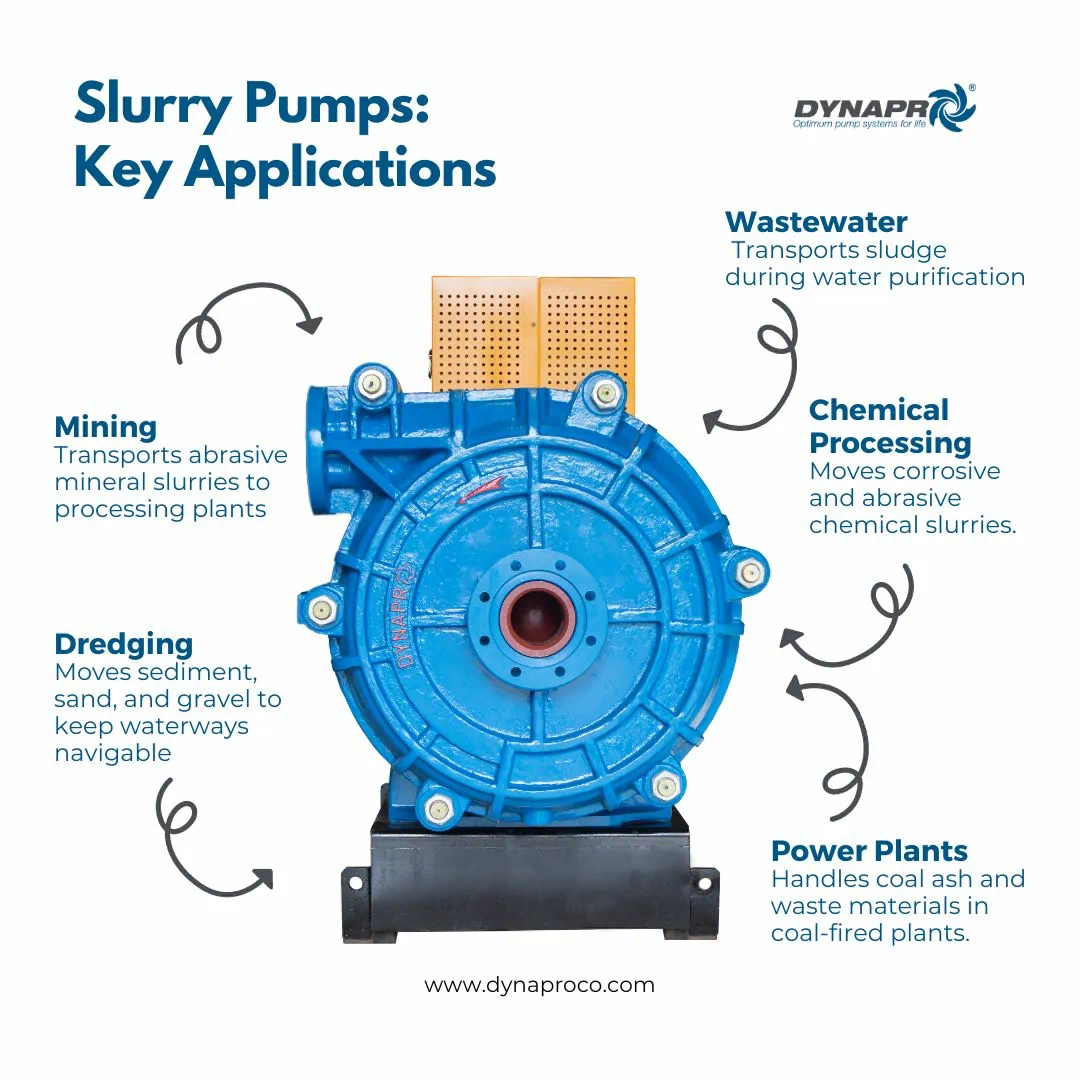
Slurry pumps are built around one idea: abrasive wear is inevitable, so the wet end must resist it and be serviceable when it finally loses thickness or clearance. When your “water” contains sand, silt, tailings, bentonite, or drill cuttings, the pump is not just moving fluid. It’s moving a grinding media.
Instead of prioritizing pass-through for bulky debris, slurry designs prioritize:
- hardened wet-end materials (commonly high chrome iron in the 25% to 28% chrome class),
- thicker wear sections and replaceable liners,
- controlled clearances that can be reset as parts wear,
- shaft and seal protection that assumes abrasive ingress will try to happen.
Many submersible slurry pumps also include an external agitator to re-suspend settled solids at the intake. That’s a big functional divider in pits where solids bed out overnight. An agitator turns a dead-zone pile into a pumpable slurry, which stabilizes concentration and helps prevent suction starvation.
When you size slurry equipment, pay attention to solids concentration and specific gravity, not just flow and head. A slurry pump running at the wrong speed or far from its best efficiency region can still move material, but it will often pay you back with accelerated liner wear and seal distress.
Impeller Geometry: Vortex/Recessed vs. High-Chrome Semi-Open
Impeller geometry is where the “why” becomes visible.
Trash pumps often use a vortex impeller or recessed impeller style, or a two-vane semi-open design. The point is to create a flow path that lets debris pass with reduced interaction between solids and the impeller vanes. Less contact means fewer clogs and less chance of wrapping fibrous material.
Slurry pumps typically use heavy-duty semi-open or closed impellers designed to push dense mixtures while managing wear. You’ll also see aggressive leading edges and thick vane profiles because abrasion rounds edges quickly.
You can think of it this way: trash impellers try to avoid grabbing solids; slurry impellers accept they will grab solids and are built to survive it.
A quick jobsite cue is the solids you expect to settle:
- If your solids float, mat, or string together, non-clogging geometry is the priority.
- If your solids sink fast and feel gritty between your fingers, wear-resistant geometry and materials are the priority.
Material Science: Ductile Iron vs. High Chrome Iron (HCr)
Materials determine how fast clearances open and efficiency collapses. Most standard trash pumps rely on cast iron or ductile iron, which are durable and impact-tolerant but relatively soft compared with abrasive-duty alloys.
Slurry pumps commonly use high chrome iron (HCr) for the wet end. The reason is hardness. High chrome white iron can be heat-treated to very high Brinell hardness values (often well over 600 HB in many abrasive-duty selections), which slows down erosive and abrasive wear from sand and angular fines.
That hardness comes with tradeoffs. Hardened alloys can be more brittle than ductile iron and can crack if you slam them with oversized rocks. So you still need screening and operational discipline if big debris is possible. But if the main threat is fine abrasive wear, HCr is exactly what keeps your pump from turning into a low-efficiency recirculation machine after a short run.
Material selection also interacts with chemistry and temperature. Rubber and polyurethane liners can perform well with fine silica and lower impact duty, while high chrome excels when particles are angular, heavier, or more impact-driven.
The “Sand” Factor: Why Trash Pumps Fail in Sandy Dewatering
This is the expensive mistake seen across construction dewatering applications: you choose a trash pump because the water “looks dirty,” but the real contaminant is sand.
Sand does not need to clog your pump to kill it. It passes through and wears the wet end continuously, acting like liquid sandpaper. In a typical trash pump wet end, the volute and wear plate are not protected by high-hardness liners, and the pump’s generous clearances become a liability. Once sand starts removing material, internal leakage increases, head drops, flow drops, and operators compensate by running longer and harder.
The signature failure is volute washout. You may see:
- scalloped erosion in the volute cutwater area,
- a widened throat and cover plate wear,
- increasing impeller-to-wear-plate clearance,
- rapid efficiency loss that looks like “mystery underperformance.”
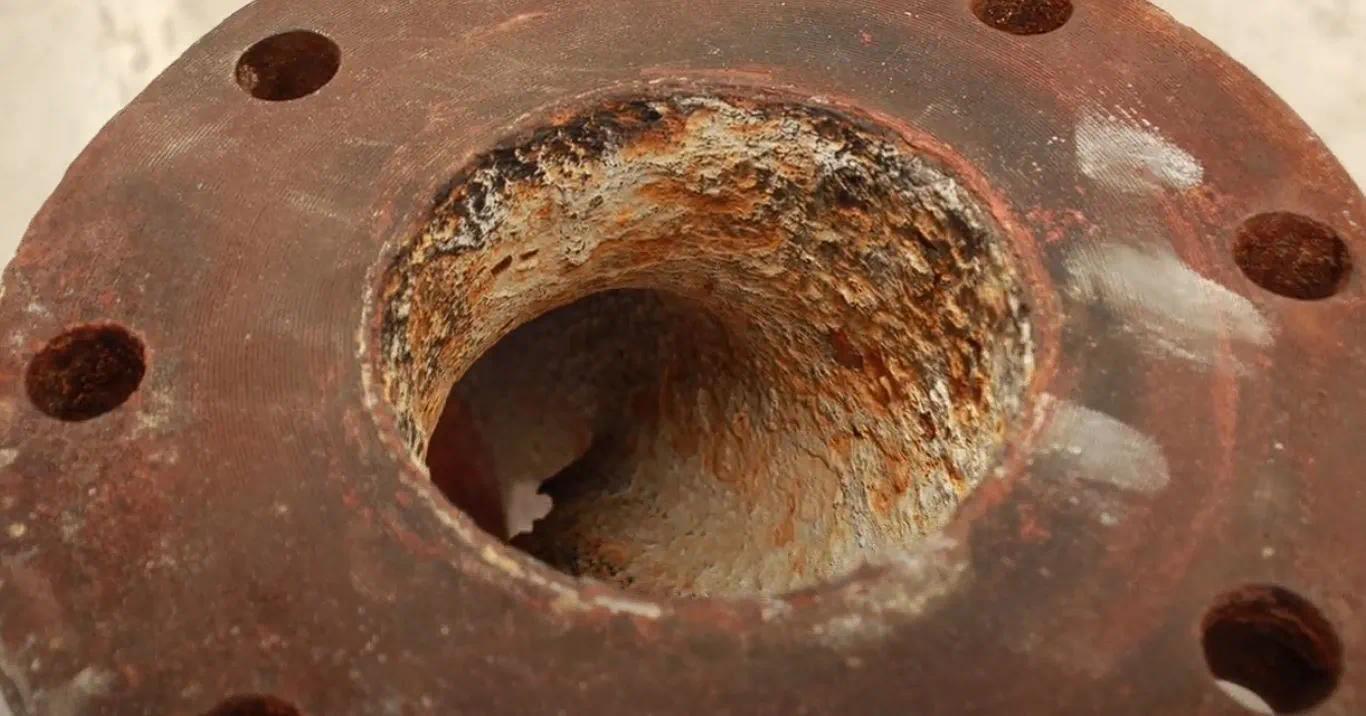
And it snowballs. As clearances open, recirculation increases, which increases local velocities and turbulence, which accelerates abrasive wear even more. By the time you notice you can’t hit your drawdown target, you’re often already into a rebuild.
If your “dewatering” source is a wellpoint return, excavation seepage through sandy strata, or any pit where fines settle in a layer, treat it as a slurry duty until proven otherwise.
Selection Matrix: When to Use Which Pump
Once you separate clog risk from wear risk, the selection matrix becomes straightforward. Use the table to make quick, defensible calls for rentals, fleet allocation, and submittals.
| Site condition / requirement | Trash pump fit | Slurry pump fit | What you’re protecting |
|---|---|---|---|
| Large soft solids (rags, leaves, wood chips) | High | Medium | Avoiding non-clogging failures |
| High sand/silt content, gritty feel, cloudy water | Low | High | Preventing abrasive wear and washout |
| Spherical solids handling priority (up to ~3″ ball) | High | Medium | Keeping flow path open |
| High solids concentration (dense slurry, heavy settling) | Low | High | Maintaining wear life and stable duty |
| Need for an agitator in a pit with settled solids | Rare | Common | Preventing suction starvation and sanding-in |
| Sewer bypass / bypass pumping with debris | High | Medium | Avoiding wrap and blockage |
| Dredging, tailings, drill cuttings, bentonite | Low | High | Surviving continuous abrasion |
| Short-duration emergency pumping with mixed debris | High | Medium | Speed of deployment |
| Long-duration dewatering in sandy ground | Low | High | Total cost over run time |
After you’ve matched the pump family, tighten the choice with a few practical checks:
- Duty point reality: confirm head losses with the actual hose layout and fittings.
- Solids behavior: settling solids usually indicate slurry equipment, often with an agitator.
- Service plan: carry wear parts for the failure mode you expect, not the one you hope for.
Typical Failure Modes: Clogging vs. Volute Washout
When the wrong pump gets selected, the failure pattern is predictable. That’s useful, because it lets you diagnose fast and prevent repeat damage across sites.
A trash pump in the wrong service usually fails by clogging, wrapping, or seal damage from debris ingestion. A slurry pump in abrasive duty usually fails by wear progression that quietly erodes performance until you miss production targets.
Common warning signs map cleanly to each failure mode:
- Clogging path: sudden flow drop, engine overload, discharge surging, debris found behind the cover plate.
- Wear path: gradual flow and head loss, rising amperage on electric units, increasing vibration, visible erosion and clearance growth.
- Seal distress: leakage at the seal area, cloudy or contaminated oil, rapid temperature rise at bearings.
If you’re managing a rental fleet, write these patterns into your intake inspection. If you’re running a dewatering program, track them as leading indicators so you replace wear parts before a missed drawdown forces a scramble.
One small operational habit pays off: document solids conditions at startup and again after the first hour. Sandy jobs often “declare themselves” once the excavation starts moving fines that weren’t visible in the first pump-down.
FAQs
1. What is the main difference between a trash pump and a slurry pump?
A trash pump is built to stay running with large, soft solids without clogging; a slurry pump is built to resist abrasive wear from small, hard solids like sand and silt.
2. Can I use a trash pump to pump sand and silt?
You can, but it is usually a costly choice in sustained sandy duty because abrasive wear and volute washout can destroy performance quickly.
3. What is “solids passage size” in a dewatering pump?
It is the maximum solid size the pump can pass, often stated as spherical solids handling (for example, a 3-inch spherical solid).
4. Why do slurry pumps use High Chrome Iron instead of Cast Iron?
High chrome iron provides much higher hardness (often specified via Brinell hardness), which slows abrasive wear from sand, tailings, and angular fines.
5. What is the benefit of a vortex (recessed) impeller in trash pumps?
A vortex or recessed impeller reduces direct contact between solids and the impeller vanes, improving non-clogging performance with fibrous or bulky debris.
6. How does an agitator help in dewatering applications?
An agitator stirs settled solids near the intake into suspension, preventing sanding-in and stabilizing the slurry concentration entering the pump.
7. Which pump is better for sewer bypass: trash or slurry?
Trash pumps are typically preferred because sewer bypass often includes rags and debris where clog resistance is the main risk.
8. Why did my trash pump lose performance after pumping sandy water?
Sand likely caused abrasive wear that opened internal clearances, leading to efficiency loss and possibly volute washout in the casing and wear plate areas.
9. Are submersible dewatering pumps considered trash or slurry pumps?
They can be either. Some submersibles are “trash” style for debris tolerance, while others are slurry designs with hardened wet ends and sometimes an agitator.
10. How do I decide if I need a hardening agitator on my pump?
If solids settle quickly, form a bed at the bottom, or you see suction starvation and inconsistent concentration, an agitator-equipped slurry pump is often the safer choice for uptime and wear life.